
Using a Standard Language to Communicate
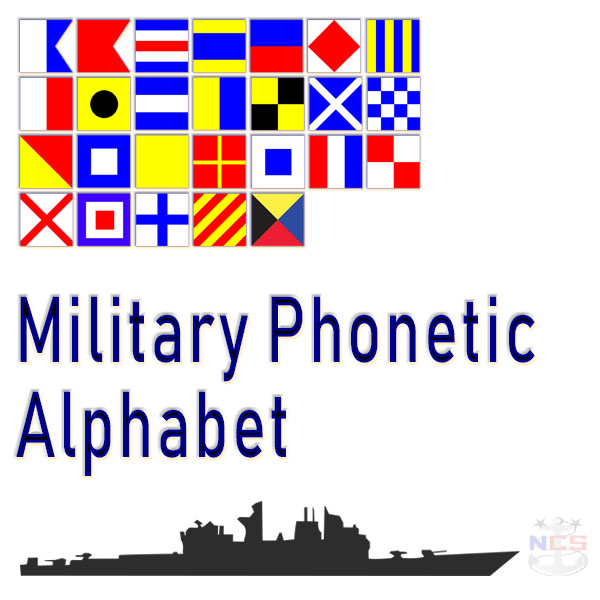
For allied militaries to communicate effectively and in a timely manner, those entities need to understand a single language. Using a single language does not eliminate the possibility of linguistic misunderstandings, but does greatly reduce the risks using multiple languages may pose. For the North Atlantic Treaty Organization (NATO), English was chosen as the standard language.
Three methods of basic communications used by the militaries of NATO are via the Phonetic Alphabet, Morse Code, and Signal Flags, all three of which are based in the English alphabet.
Military Phonetic Alphabet
The Phonetic Alphabet is used widely in military maritime communications. The phonetic alphabet, a system set up in which each letter of the alphabet has a word equivalent to avoid mistaking letters that sound alike, such as B (Bravo) and D (Delta) or F (Foxtrot) and S (Sierra). The pronunciation for each letter's phonetic word is contained in the parenthesis below it.
Morse Code
The letters of the alphabet in Morse code are represented by dots and dashes in the chart below. Radio operators usually substitute the expressions "dits" and "dahs" for the dots and dashes which resemble the tones of the telegraphic hand key when "speaking" the code. The groups of dits and dahs representing each letter must be made as one unit, with a clear break between each dit and each dah, and a much more distinct break between the letters. A dit is one-third the length of a dah.
Signal Flags
It is very rare that words would be completely spelled out in Navy flag hoist signaling due to the length and number of flags required; not to mention the time it would take to handle all the hoists. To make the process easier and more practical, the signal book was produced. The signal book defines the flags to be used to communicate various messages. Separately, each signal flag has its own meaning, and for the Navy, those meanings are listed alongside each flag below.
Military Alphabet, Signal Flag and Morse Code Chart
| Navy Code of Signals – Phonetic Military Alphabet | ||||
|---|---|---|---|---|
| Letter | Phonetic Military Alphabet ¹ | Morse Code | Signal Flags | Flag meaning (Navy) |
| A | Alfa "AL-FAH" | • — Di dah |  | Diver down; keep clear and maintain slow speed. |
| B | Bravo "BRAH-VOH" | — • • • Dah di di dit |  | Taking in, discharging or carrying dangerous cargo. |
| C | Charlie "CHAR-LEE" | — • — • Dah di dah dit | 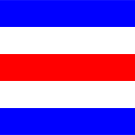 | Affirmative. |
| D | Delta "DEL-TAH" | — • • Dah di dit | 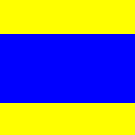 | Difficulty maneuvering; keep clear. |
| E | Echo "ECK-OH" | • dit |  | Directing course to starboard. |
| F | Foxtrot "FOKS-TROT" | • • — • Di di dah dit |  | Disabled; communication requested -- or flight operations are underway. |
| G | Golf "GOLF" | — — • Dah dah dit | 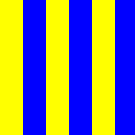 | Harbor pilot required. |
| H | Hotel "HOH-TEL" | • • • • Di di di dit |  | Harbor pilot on-board. |
| I | India "IN-DEE-AH" | • • Di dit |  | Coming alongside. |
| J | Juliett "JEW-LEE-ETT" | • — — — Di dah dah dah |  | Dangerous cargo aboard and on fire; keep clear. |
| K | Kilo "KEY-LOH" | — • — Dah di dah | 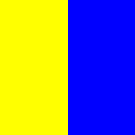 | Communication requested. |
| L | Lima "LEE-MAH" | • — • • Di dah di dit |  | Advise, stop your vessel immediately. |
| M | Mike "MIKE" | — — Dah dah |  | Vessel is stopped. |
| N | November "NO-VEM-BER" | — • Dah dit | 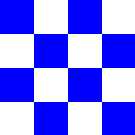 | Negative. |
| O | Oscar "OSS-CAH" | — — — Dah dah dah |  | Man overboard. |
| P | Papa "PAH-PAH" | • — — • Di dah dah dit |  | All personnel return to ship (in port). |
| Q | Quebec "KAY-BECK" | — — • — Dah dah di dah |  | All boats return to ship. |
| R | Romeo "ROW-ME-OH" | • — • Di dah dit | 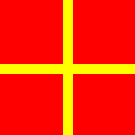 | At sea: preparing to replenish. In Port: Ready duty ship. |
| S | Sierra "SEE-AIR-RAH" | • • • Di di dit |  | Conducting flag hoisting drill. |
| T | Tango "TANG-GO" | — Dah | 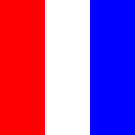 | Do not pass ahead. |
| U | Uniform "YOU-NEE-FORM" | • • — Di di dah | 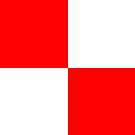 | Beware, you are running into danger. |
| V | Victor "VIK-TAH" | • • • — di di di dah |  | Assistance required. |
| W | Whiskey "WISS-KEY" | • — — Di dah dah |  | Medical assistance required. |
| X | X-ray "ECKS-RAY" | — • • — Dah di di dah |  | Stop your intentions and watch for signals. |
| Y | Yankee "YANG-KEY" | — • — — Dah di dah dah |  | Ship has communications duty (visual). |
| Z | Zulu "ZOO-LOU" | — — • • Dah dah di dit | 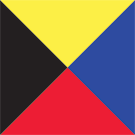 | Tug required. |
Written by NCCM Thomas Goering USN (RET).
Date Page Published: October 28, 2009.
Date Page Modified: March 17, 2022.
